Is Now a Good Time to Buy a Home in Minneapolis?

Miguel Lopez
March 2, 2026
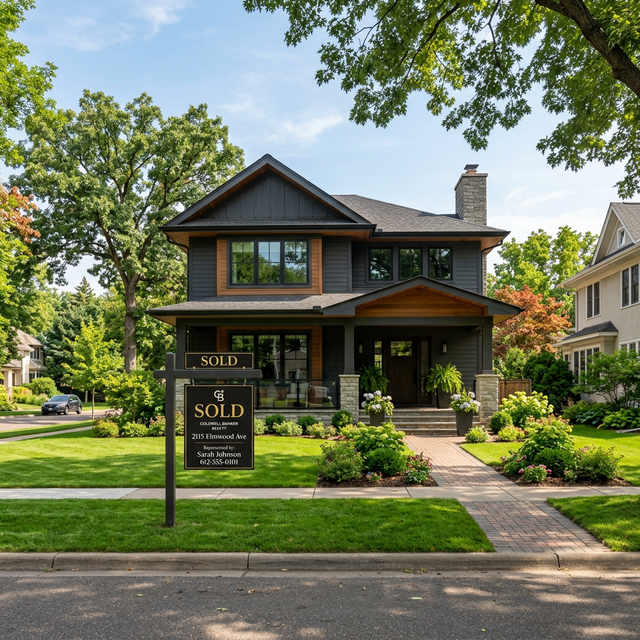
Minneapolis Housing Market 2026: Is It a Good Time to Buy?
Yes, for most financially ready buyers, 2026 is a favorable time to buy in Minneapolis. Home prices are stable (up ~1.2% year-over-year), inventory is up 12% giving you more choices, and sellers are accepting contingencies and negotiations again — a major shift from the bidding-war frenzy of 2021–2023. The main headwind is mortgage rates around 7%, but most economists expect gradual decreases, meaning you can refinance later while locking in today's prices.
That said, buying isn't right for everyone right now. Here's how to decide based on your specific situation.
The Case for Buying Now
1. You're Building Equity Instead of Paying Rent
This is the fundamental argument for buying at any point in the cycle. Every rent payment is gone. Every mortgage payment builds ownership in an asset.
Here's the math for Minneapolis right now:
Renting a 2BR apartment: ~$1,500-$1,800/month (Minneapolis average) Owning a $315,000 home (median): ~$2,400/month total (PITI with 10% down at 7%)
Yes, owning costs more monthly — but roughly $500-$600 of that payment goes toward principal each month, building equity. After five years, you'd have approximately $35,000 in equity from principal paydown alone, plus whatever the home appreciates.
Your landlord builds zero equity for you.
2. Prices Aren't Crashing — They're Stabilizing
Minneapolis home values are up about 1.2% year-over-year. This isn't the explosive growth of 2021, but it's not a decline either. If you're waiting for a crash, the data doesn't support that expectation in this market. Read my detailed market analysis for the full picture.
Historically, trying to time the real estate market costs more than it saves. Buyers who waited for the "dip" in 2019 watched prices climb 30% over the next three years. The best time to buy is when you're financially ready — not when a headline tells you to.
3. You Have More Negotiating Power Than in Recent Years
The days of waiving inspections, offering $50,000 over asking, and writing love letters are mostly behind us. In 2026, buyers have leverage:
- Inventory is up ~12% year over year
- Homes are sitting for 30-40 days instead of selling in a weekend
- Sellers are accepting contingencies again — inspection, financing, even appraisal contingencies
- Price negotiations are happening. Asking for repairs, closing cost credits, and rate buydowns is back on the table
This is a much healthier environment for making a sound purchase.
4. The "Marry the House, Date the Rate" Strategy
Interest rates around 7% feel high — because they are, relative to the 3% anomaly of 2020-2021. But historically, 7% is normal. People bought homes and built wealth at 8%, 9%, even 12% rates through the 1980s and 1990s.
The strategy: buy at today's prices with today's rate, then refinance when rates drop. Even a 1% rate reduction on a $300,000 loan saves about $200/month. If rates drop to 5.5-6% in the next 2-3 years (which many economists project), you lock in both a lower price and a lower rate over time.
You can refinance a rate. You can't renegotiate a purchase price after you've bought.
5. Tax Benefits Start Immediately
As a Minneapolis homeowner, you benefit from:
- Mortgage interest deduction — at 7%, you're paying significant interest that's tax-deductible (if you itemize)
- Property tax deduction — up to $10,000 combined with state income tax (SALT cap)
- Minnesota Mortgage Credit Certificate — first-time buyers may qualify for a federal tax credit of 20-40% of mortgage interest paid, up to $2,000/year
These benefits offset some of the cost premium of buying vs. renting.
The Case for Waiting
Not everyone should buy right now. Here are legitimate reasons to hold off:
1. You Don't Have an Emergency Fund Beyond Your Down Payment
If buying the house drains every dollar you have, you're one broken furnace away from financial stress. I tell my clients: keep 3-6 months of expenses in reserve after your down payment and closing costs. In Minneapolis, that's typically $8,000-$15,000 depending on your situation.
2. Your Job Situation Is Unstable
Lenders want two years of steady employment, and for good reason. If you're between jobs, newly self-employed, or in an industry facing uncertainty, it may make sense to wait until your income is more predictable.
3. Your Debt Load Is High
If you're carrying significant car loans, student debt, or credit card balances, paying those down before buying increases your purchasing power and reduces financial risk. Sometimes six months of aggressive debt payoff changes your mortgage picture dramatically.
Check my salary and affordability guide to see where you stand.
4. You're Planning to Move in Less Than 3 Years
Buying and selling have significant transaction costs — agent commissions, closing costs, moving expenses. If you're likely to relocate within 2-3 years, you may not build enough equity to offset those costs. Renting gives you flexibility that owning doesn't.
5. You're Waiting for a Specific Life Event
Getting married, finishing school, having a child — major life changes can affect what you need in a home. If a big change is 6-12 months away, it might make sense to wait so you buy the right home once, rather than buying now and outgrowing it quickly.
Rent vs. Buy: The Minneapolis Math
Let's compare a specific scenario over 5 years:
Renting
- Monthly rent: $1,650 (average Minneapolis 2BR)
- Annual rent increase: 3%
- Total rent paid over 5 years: $105,400
- Equity built: $0
Buying ($315,000 home, 10% down, 7% rate)
- Monthly PITI: ~$2,400
- Total housing costs over 5 years: ~$144,000
- Principal paid down: ~$35,000
- Estimated appreciation (2%/year): ~$33,000
- Net cost of ownership: ~$76,000 (total costs minus equity and appreciation)
Even with the higher monthly payment, buying is roughly $29,000 cheaper over five years when you account for equity and appreciation — and you own an asset at the end.
This math improves significantly if rates drop and you refinance, or if appreciation exceeds 2%.
What I Tell My Clients
I don't push people to buy. My business is built on long-term relationships, not pressuring someone into a transaction they're not ready for. Here's the framework I use:
Buy now if:
- You have stable income and can comfortably afford the monthly payment
- You have savings beyond your down payment
- You plan to stay in the area for 3+ years
- You've found (or can find) a home in your budget in a neighborhood you like
- You understand that short-term market fluctuations don't matter when you're holding for years
Wait if:
- You're not financially ready (insufficient savings, high debt, unstable income)
- You're planning a major life change that will affect your housing needs
- You're only buying because you feel pressured by the market or by others
The market doesn't care about your timeline. Make the decision that's right for your life, not for the news cycle.
Down Payment Assistance Changes the Equation
If saving for a down payment is what's holding you back, know that Minnesota has some of the best assistance programs in the country. Between Minnesota Housing programs and FHA loans, you can get into a home with as little as $10,000-$15,000 in total out-of-pocket costs.
I cover these programs in detail in my first-time buyer guide.
Want to figure out if now is the right time for you? Get in touch and let's look at your specific numbers. I'll give you an honest assessment — even if the answer is "not yet."
Ready to make a move?
Let's Talk Real Estate
Whether you're buying, selling, or investing — I'm here to help you navigate the Twin Cities market with confidence.
Related Articles